Exciting news: Brizo FoodMetrics has been acquired by Datassential! Learn more.
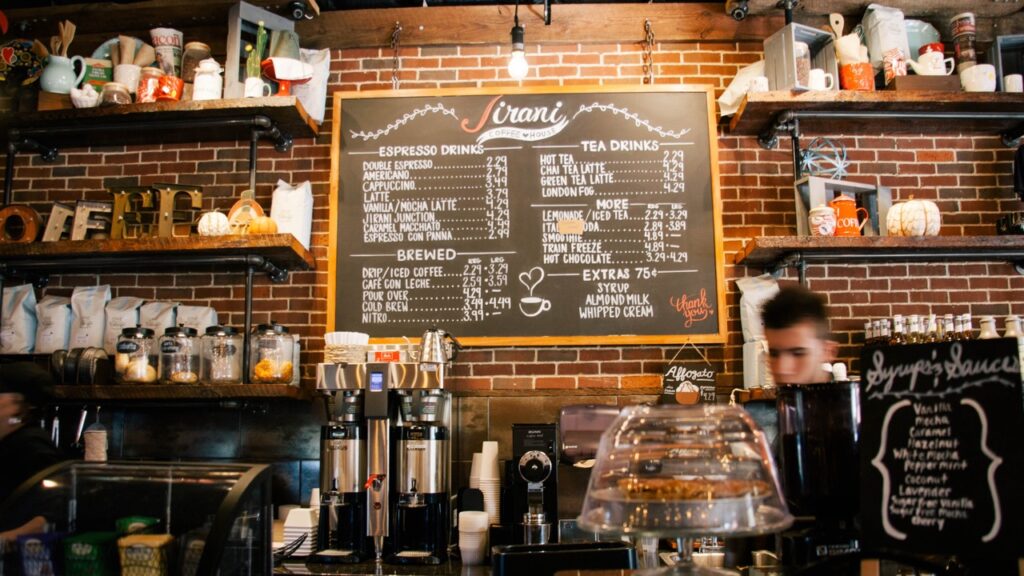
Foodservice beverage is an essential component of the foodservice industry and its value must be fully appreciated in order to develop a successful business. From small cafes to large Restaurant Chains, understanding how to analyze foodservice beverage is essential to setting up a successful chain.
Brizo provides a comprehensive set of data for a deeper understanding and analysis of the foodservice market. With unique datasets specific to the industry, this data can be used to target research and development of prospects. Furthermore, this data can serve many different functions across many fields, from sales prospecting to marketing to data enrichment.
In this guide, we will discuss the essential elements of evaluating and understanding food service beverage. We will also explore how this data can be used in different areas such as sales prospecting, marketing, finding kitchens and expanding operations, and data enrichment.
Evaluating and Understanding Food Service Beverage
Foodservice beverages provide valuable insight into the foodservice industry, allowing businesses to gain insights on their sales prospects and competition. By understanding many aspects of foodservice beverages, businesses can develop a better understanding of their customers, the industry, and overall product development.
One of the important elements to consider when evaluating and understanding foodservice beverage is the menu. A detailed menu can provide invaluable insights into customer behavior and preferences, as well as competition. It can also provide insight on the cost structure of different product offerings, which is an essential factor in any business’s success.
Additionally, by utilizing tech trends in the industry, businesses can stay up-to-date on new trends and products, as well as be aware of potential competitors. By understanding tech trends, businesses can gain further insight into customer preferences and behaviors.
Sales Prospecting in the Foodservice Market
Sales prospecting in the foodservice market is essential in order to gain prospects and customers. Utilizing foodservice beverage data can allow businesses to efficiently target prospects based on preference and interest. This can be done through detailed menu information as well as tech trends.
By identifying preferences and trends in the market, sales teams can better target prospects and identify markets and regions that could be beneficial to their business. Additionally, by understanding customer preferences, businesses can align their sales prospects with those customer preferences.
Marketing to the Foodservice Market
The foodservice market can be a competitive space, and understanding it is key in order to remain competitive. By using foodservice beverage data, businesses can gain knowledge in many areas of marketing, such as customer segmentation, target audiences, customer loyalty, and more.
By utilizing this data, businesses can develop targeted messaging to specific customer segments, as well as closely monitor customer loyalty in order to continuously improve their products and services. Additionally, by understanding the foodservice market, businesses can employ marketing strategies that better target their audience and increase customer acquisition.
Find Kitchens & Expand Operations
In order to efficiently expand operations and increase production, it is important to utilize foodservice beverage data. This data can provide insight into potential new locations, market trends, and customer preferences and needs.
By using this data, businesses can identify potential new kitchens that could benefit their business, as well as prioritize development of new products and services based off customer preferences in a particular region or market. Additionally, this data can be used in order to identify key customer needs, which can then be used to develop and enhance new products and services.
Data Enrichment
Data enrichment is essential in order to make effective decisions for a business. By utilizing foodservice beverage data, businesses can gain an even more comprehensive view of the foodservice market, which can then be used to enrich existing systems.
Data enrichment can be used in many different areas, such as product development, customer targeting, market research, and more. By understanding customer preferences and needs, businesses can better develop products and services to meet those needs and capture potential customers. Additionally, businesses can use this data to better target their marketing, which can lead to increased customer loyalty and acquisition.